
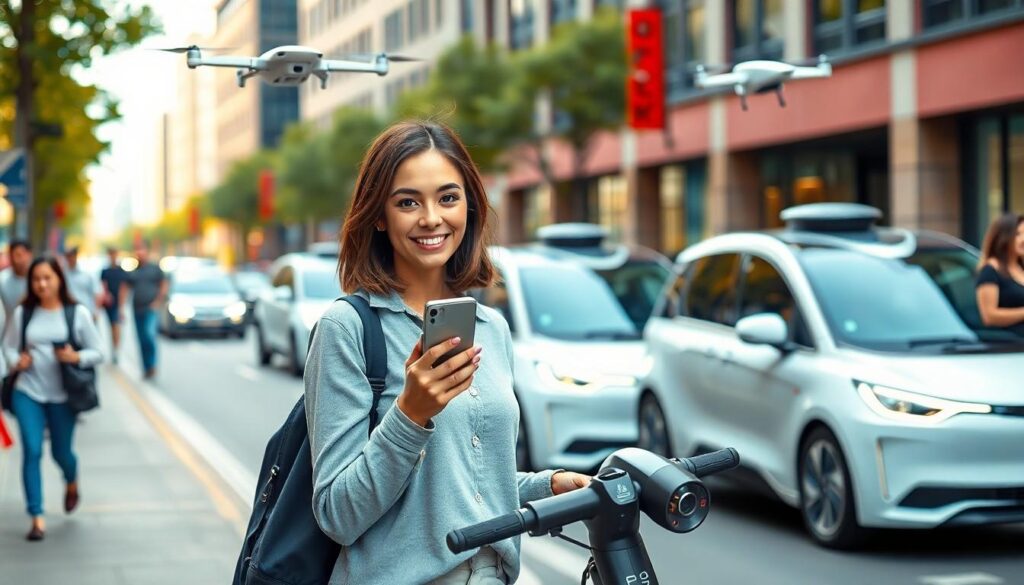
The future of transportation is zooming in faster than a kid chasing an ice cream truck. With emerging technologies reshaping how we move, it’s not just about getting from point A to point B anymore—it’s about how much fun we can have doing it. From electric scooters zipping past traffic jams to self-driving cars that promise to take the wheel (and the stress) out of commuting, the possibilities are as exciting as they are innovative.
Imagine a world where your car knows your favorite playlist before you even start the engine, or where drones deliver your pizza while you binge-watch your favorite show. These advancements aren’t just sci-fi fantasies; they’re on the verge of becoming reality. Buckle up as we dive into the thrilling landscape of emerging transportation technologies that are set to change the way we travel forever.
Overview of Emerging Transportation Technologies
Emerging transportation technologies are reshaping mobility and logistics. Innovations like electric vehicles and autonomous cars promise increased efficiency and safety on the roads. Consider electric scooters; these compact solutions address urban congestion and promote eco-friendly travel options.
Drones are not just for recreation; they impact logistics by enabling rapid delivery services. Companies utilize drones for transporting goods over short distances, enhancing last-mile delivery. Personalization in vehicles leads to tailored experiences, integrating data to meet individual preferences.
Public transportation systems embrace smart technologies, including apps that provide real-time information and digital ticketing. These advancements improve accessibility and reduce wait times for commuters. Hyperloop technology presents a potential revolution in intercity travel, offering high-speed connections that could transform regional transportation dynamics.
3D printing has also entered the transportation landscape, enabling on-demand production of parts which reduces costs and waste. Sustainability plays a crucial role in these technologies, with renewable energy sources powering many electric and hybrid vehicles.
Overall, the convergence of technological advancements fuels a shift towards smarter, greener, and more efficient transportation systems. Each innovation marks a significant step toward a future where mobility aligns with environmental responsibility and personal convenience.
Key Innovations in Transportation
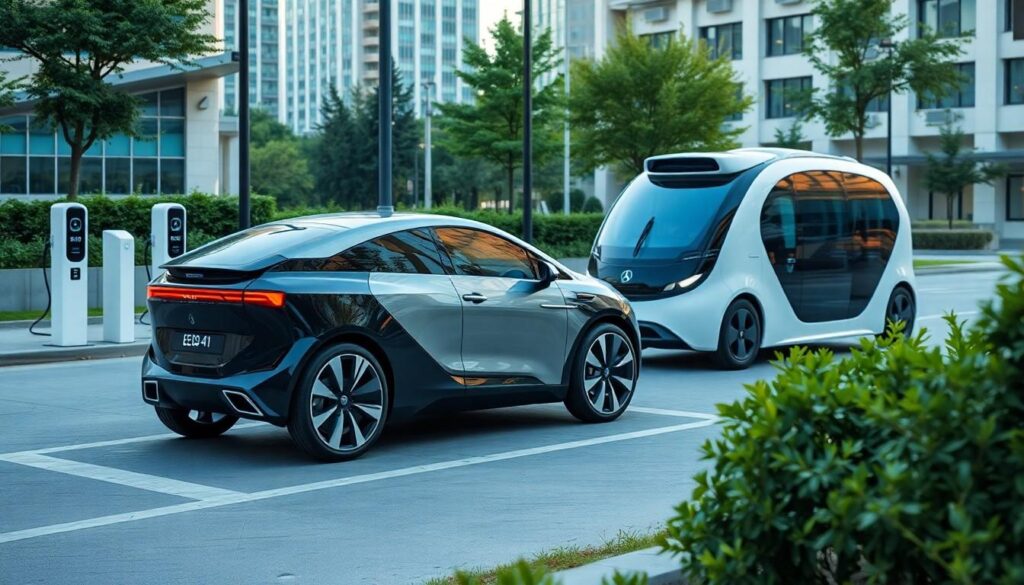
Emerging transportation technologies significantly enhance mobility and redefine travel experiences. Innovations like electric and autonomous vehicles lead this transformation.
Electric Vehicles
Electric vehicles prioritize eco-friendly transport solutions. These cars utilize batteries, reducing reliance on fossil fuels. Manufacturers project that global EV sales will reach 26 million units by 2030, highlighting strong market growth. Charging infrastructure is expanding, making convenient recharging more accessible for users. By 2025, over 60 million charging stations are expected worldwide. Governments support the shift, offering incentives for consumers and investing in research. This focus on sustainability is crucial, aiming to cut emissions and promote cleaner air in urban areas.
Autonomous Vehicles
Autonomous vehicles promise revolutionary advancements in road safety and traffic management. Companies are investing heavily in AI technologies, allowing for real-time decision-making. Research shows that autonomous systems could reduce traffic accidents by up to 90%. Traffic congestion may also significantly decrease, as these vehicles communicate and coordinate with each other. Testing is ongoing worldwide, with some cities already deploying autonomous shuttle services. Regulatory frameworks are developing alongside technology, ensuring safety and compliance in autonomous vehicle operations. The future of transportation might include fully integrated autonomous fleets, reshaping public and private transit.
The Role of Smart Infrastructure
Smart infrastructure plays a critical role in enhancing transportation technologies. It creates interconnected systems that improve overall mobility and efficiency.
Connected Transportation Systems
Connected transportation systems utilize real-time data to facilitate seamless communication between vehicles and infrastructure. These systems enhance the efficiency of public transport, allowing riders to receive live updates on arrivals and potential delays. Through vehicle-to-vehicle communication, drivers can gain insights on traffic conditions and hazards, improving decision-making on the road. Cities implementing connected systems experience smoother traffic flow and reduced congestion, with research predicting a potential 30% increase in traffic efficiency. By leveraging technologies like 5G, these systems transform how users interact with their environment, paving the way for innovative travel experiences.
Intelligent Traffic Management
Intelligent traffic management employs advanced algorithms to optimize traffic signal timings and reduce delays at intersections. Sensors collect data on vehicle counts and speeds, enabling dynamic adjustments based on real-time conditions. Cities that adopt these systems find they can lower overall travel times by up to 25%, enhancing commuter experience significantly. Furthermore, smart traffic management reduces fuel consumption and emissions by minimizing stop-and-go traffic. Additional benefits include improved safety, as reduced congestion lessens the likelihood of collisions. The integration of artificial intelligence further enhances these systems, making them more adaptive to changing conditions and user needs.
Environmental Impact of Emerging Technologies
Emerging transportation technologies significantly affect the environment, primarily by reducing emissions and promoting sustainability. Electric vehicles (EVs), for example, offer a considerable decrease in greenhouse gas emissions compared to traditional gasoline-powered cars. Projections indicate global EV sales will hit 26 million units by 2030, reflecting a broader shift toward greener technologies.
Autonomous vehicles also contribute to environmental benefits. These vehicles enhance traffic flow and reduce congestion, potentially decreasing fuel consumption by 20% or more. As autonomous systems become more widespread, they may lower traffic accidents by up to 90%, fostering safer roadways.
Electric scooters provide another eco-friendly travel option, effectively addressing urban congestion. Urban planners find that integrating scooters into public transportation systems enhances last-mile connectivity while decreasing reliance on cars. Consequently, cities can see reduced emissions, promoting cleaner air and quieter neighborhoods.
Drones impact logistics significantly by streamlining delivery processes. Expedited shipping methods lead to fewer delivery trucks on the road. As a result, this reduces overall traffic congestion and lowers emissions associated with freight transport.
Smart infrastructure further optimizes the environmental impact of these technologies. Traffic management systems utilize real-time data to optimize signal timings and minimize delays. Such efficiencies can lead to reduced travel times, resulting in lower emissions for motorists.
Sustainable practices in 3D printing also play a crucial role in this landscape. On-demand production leads to decreased waste and less environmental strain by minimizing shipping and inventory requirements.
These advancements collectively signify a pivotal step towards a transportation future that aligns with environmental responsibility and efficiency.
Challenges and Barriers to Adoption
Adoption of emerging transportation technologies encounters several challenges. Regulatory frameworks often lag behind innovations, creating uncertainty for developers and consumers. Manufacturers face high costs for research and development, which can delay product availability and scaling.
Public acceptance remains a significant barrier to widespread use. Many individuals express concerns about the safety of autonomous vehicles and the reliability of drone delivery systems. Trust plays a crucial role, as users hesitate to embrace technologies that seem unfamiliar or risky.
Infrastructure inadequacies further complicate matters. Many cities lack the necessary charging stations for electric vehicles, and outdated road systems cannot support the efficient operation of autonomous fleets. These limitations hinder the seamless integration of new technologies into existing transportation networks.
Economic factors also impact adoption rates. Consumers often perceive electric vehicles as more expensive than traditional cars, despite long-term cost savings through reduced fuel and maintenance expenses. Additionally, the perception that emerging technologies require significant upfront investments can deter users from making the switch.
Privacy concerns pose another hurdle. The collection of data to personalize transportation services raises questions about user security and data protection. Users worry about who has access to their information and how it might be used.
Educational gaps exist as well. Many potential users lack awareness of the benefits and functionalities of emerging technologies, which slows acceptance. Campaigns aimed at increasing public knowledge about these advancements can foster greater enthusiasm and willingness to adopt.
By addressing these challenges head-on, stakeholders can facilitate a smoother transition to a more advanced, efficient transportation future.
The evolution of transportation technologies is paving the way for a future where mobility is not only efficient but also sustainable. With innovations like electric vehicles and autonomous systems on the rise, the landscape of travel and logistics is set to change dramatically.
While challenges remain in terms of regulation and public acceptance, the potential benefits are too significant to ignore. As stakeholders work to address these hurdles, the promise of smarter and greener transportation solutions becomes increasingly attainable.
Ultimately, the convergence of these advancements signifies a shift toward a more connected and environmentally responsible way of moving people and goods, enhancing the quality of life in urban and rural areas alike.


