

In a world where food is no longer just sustenance but an adventure, innovative food science and emerging technologies are shaking things up like a well-blended smoothie. Imagine savoring a burger that’s been 3D-printed or enjoying a dessert crafted with lab-grown ingredients. Sounds like science fiction? It’s happening now, and it’s deliciously exciting!
Overview of Innovative Food Science
Innovative food science reshapes nutritional possibilities and culinary experiences. Technologies like 3D printing create intricate structures in dishes. Chefs craft complex flavors using ingredients cultivated in laboratories. Lab-grown meats and plant-based alternatives provide sustainable options for conscious consumers.
Artificial intelligence analyzes consumer preferences to optimize flavor profiles and nutritional value. Robotics streamlines food preparation processes, enhancing efficiency in commercial kitchens. Blockchain technology offers transparency in food sourcing, ensuring safety and authenticity.
Gene editing techniques develop crops resistant to diseases and environmental stresses. Biotechnology enables the creation of functional foods that address specific health needs. Edible packaging minimizes waste while maintaining food freshness.
Cultured dairy products demonstrate how fermentation can produce unique textures and tastes. Innovations in food preservation extend shelf life through natural methods, ensuring quality without sacrificing taste.
Smart appliances enable personalized cooking experiences, adapting recipes based on individual dietary requirements. Nutraceuticals integrate nutrition with pharmaceuticals to promote wellness and prevent disease.
Emerging technologies create opportunities for increased food accessibility worldwide. Urban farming utilizes vertical gardens to produce food in limited spaces. Sustainable practices lead to less environmental impact, addressing global challenges in food production.
Innovative food science and technology deliver new pathways for culinary creativity and sustainable practices. Adoption of these advancements indicates a pivotal shift in food consumption and production, aligning with contemporary health and environmental priorities.
Key Trends in Emerging Technologies
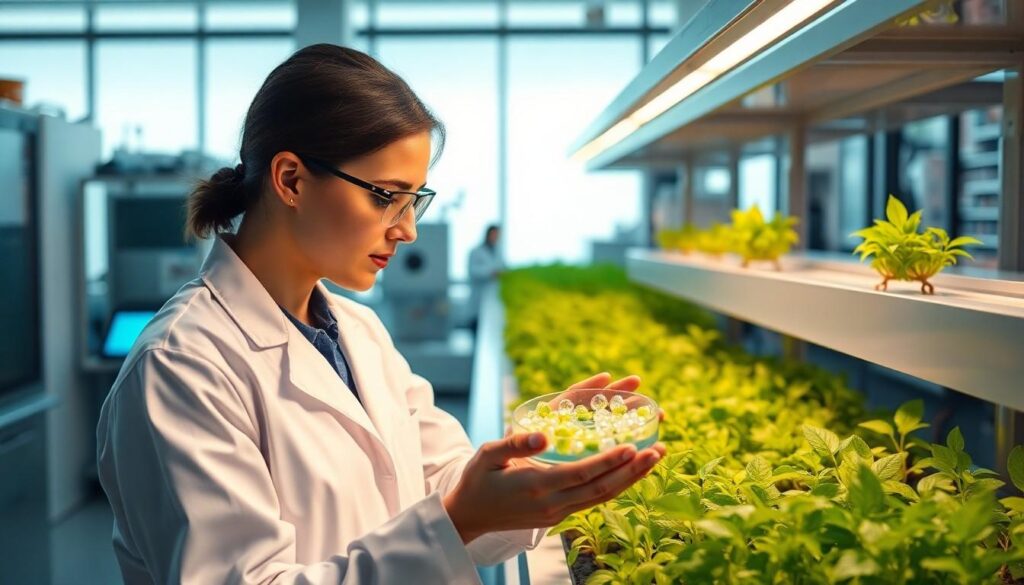
Innovative technologies are shaping the future of food, driving sustainability and enhancing consumer experiences. These advancements primarily focus on biotechnology and nanotechnology.
Biotechnology Innovations
Biotechnology leads to the development of functional foods, which provide health benefits beyond basic nutrition. Techniques like CRISPR gene editing enhance crop resilience, enabling better yields in a changing climate. Lab-grown meat, produced through cellular agriculture, offers a sustainable alternative to traditional livestock farming. Moreover, fermented foods utilize beneficial microbes to improve gut health. These innovations meet the demands of health-conscious consumers while addressing environmental concerns.
Nanotechnology Applications
Nanotechnology plays a significant role in food preservation and packaging. Nanosensors monitor freshness and safety, providing real-time data to consumers and producers. Enhanced packaging uses nanomaterials to extend shelf life and reduce food waste. Moreover, nutrient delivery systems utilize nanoparticles for targeted absorption in the body, maximizing health benefits. These applications highlight how nanotechnology contributes to a safer, more efficient food supply chain.
Impact on Food Production and Sustainability
Innovative food science and emerging technologies significantly enhance food production processes. Technologies such as gene editing dramatically improve crop resilience, ensuring higher yields with fewer resources. Lab-grown meats provide sustainable protein sources, reducing reliance on traditional livestock farming. These solutions lower greenhouse gas emissions associated with meat production.
Advancements in biotechnology foster the creation of functional foods that not only nourish but also deliver health benefits. Consumers can choose options tailored to specific dietary needs or preferences. Edible packaging innovations reduce plastic waste, contributing to environmentally friendly practices in the food industry.
Smart appliances simplify cooking while minimizing energy consumption, promoting sustainable kitchen practices. Robotics in food preparation enhances operational efficiency, allowing producers to meet growing demand without escalating costs.
Nanotechnology plays a crucial role in food preservation. Nanosensors monitor freshness, ensuring consumers receive safe, quality products. Enhanced packaging created through nanotechnology extends shelf life, reducing food waste at the consumer and retail levels.
Blockchain technology provides a transparent food sourcing system, fostering trust between producers and consumers. Data tracking along the supply chain confirms product origins, further supporting sustainable practices.
Emerging technologies align with contemporary priorities, emphasizing health, sustainability, and accessibility. They enable producers to meet the demands of an increasingly health-conscious population while addressing environmental concerns, indicating a shift in how food is produced and consumed.
Consumer Acceptance and Market Trends
Consumer acceptance of innovative food science and emerging technologies is on the rise. Increasing awareness of health and sustainability drives individuals toward plant-based alternatives and lab-grown products. Surveys indicate that approximately 60% of consumers are open to trying lab-grown meats, showcasing a willingness to embrace change.
Market trends reflect a broader shift toward functional foods, which provide health benefits beyond basic nutrition. Products enriched with probiotics and vitamins are gaining popularity, merging wellness with everyday consumption. Trend data suggests that the global functional food market is projected to reach $275 billion by 2027, highlighting a growing demand.
Younger generations, particularly millennials and Gen Z, prioritize environmental sustainability in their food choices. They show a strong preference for brands that emphasize transparency and ethical sourcing. Blockchain technology plays a critical role here, allowing consumers to trace the origin of their food, thus enhancing trust in products.
Additionally, technological advancements in food manufacturing are making lab-grown and plant-based options more accessible. Prices of lab-grown meats are steadily decreasing due to improved production methods. Innovations in 3D printing are expected to revolutionize customization in food, with consumers increasingly looking for personalized dining experiences.
Amid these trends, emerging technologies such as AI and robotics significantly influence food preparation and distribution. Automation enhances operational efficiency in food production, while artificial intelligence fine-tunes flavor profiles based on consumer preferences. Collaborations between culinary experts and technologists are expected to bring forth unique taste experiences.
Data-driven insights indicate that the connection between food innovation and consumer satisfaction is crucial for market success. As education about innovative food science spreads, acceptance grows, leading to broader market trends that favor sustainable and health-oriented food solutions.
Innovative food science and emerging technologies are reshaping the culinary landscape in remarkable ways. As consumers become more health-conscious and environmentally aware, the demand for sustainable and functional food options continues to rise. The integration of biotechnology, nanotechnology, and smart appliances not only enhances food production but also elevates the overall dining experience.
These advancements promise to make food more accessible while promoting sustainability and wellness. With increasing acceptance of lab-grown and plant-based alternatives, the future of food is not just about nutrition but also about creating a more responsible and enjoyable eating experience. As innovation continues to unfold, the culinary world stands on the brink of a new era that aligns with modern values and priorities.


