
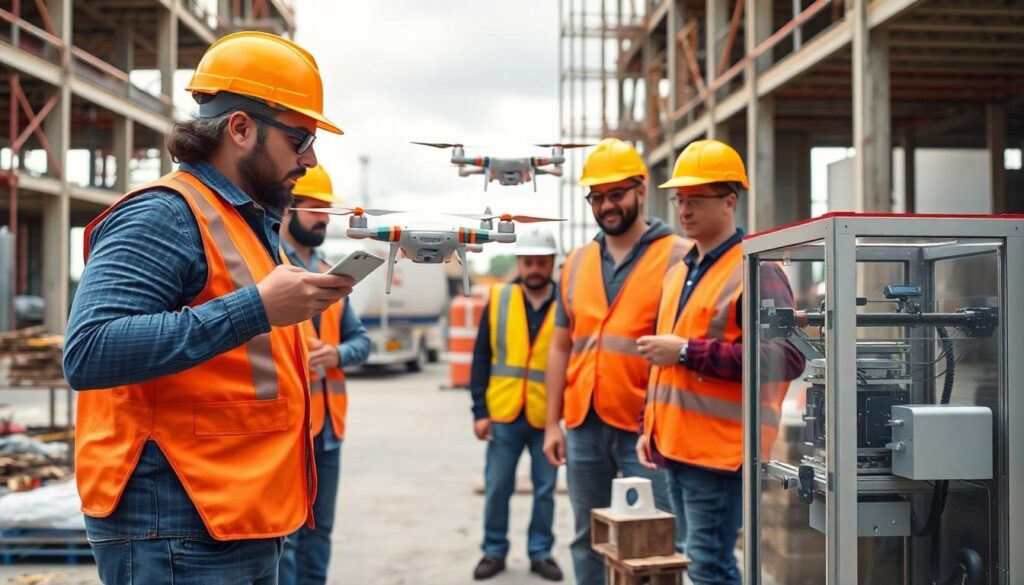
The construction industry is on the brink of a technological revolution, and it’s about time! With the rise of emerging technologies, building projects are becoming smarter, faster, and even a bit more fun. From drones flying overhead like modern-day superheroes to 3D printers churning out everything from tiny homes to intricate designs, the future of construction is looking bright—and a little quirky.
Imagine a world where robots handle the heavy lifting while humans focus on creativity and innovation. That’s not just a dream; it’s happening right now. As these cutting-edge tools reshape the landscape, they promise to boost efficiency and reduce costs, making construction projects not only easier but also more sustainable. So, buckle up! The construction site of tomorrow is here, and it’s packed with gadgets that could make even the Jetsons jealous.
Overview Of Emerging Technologies In Construction
Emerging technologies reshape the construction landscape, enhancing efficiency and productivity. Drones provide aerial surveys, enabling real-time data collection and monitoring. They help in site assessments and improve safety by identifying hazards before work begins.
3D printing revolutionizes project delivery by creating building components on-site, reducing waste and costs. This technology allows for rapid prototyping, which leads to faster construction times. Additionally, robots support labor by taking on heavy lifting or repetitive tasks, freeing up workers for more creative roles.
Building Information Modeling (BIM) is another key technology streamlining project management. BIM enables collaboration among architects, engineers, and contractors through a shared digital model. This technology improves accuracy in design and reduces errors, leading to fewer delays.
Artificial intelligence (AI) enhances decision-making through data analysis and predictive insights. AI algorithms can optimize scheduling and resource allocation, resulting in smoother project execution. Cloud computing supports these technologies by providing remote access to data, fostering collaboration among project teams.
Sustainability remains a vital focus, with smart materials playing a significant role. These materials adapt to environmental conditions, improving energy efficiency and reducing overall carbon footprints. Internet of Things (IoT) devices gather data from construction sites, analyzing performance and maintenance needs in real-time.
Augmented reality (AR) and virtual reality (VR) create immersive experiences for training and design visualization. Workers benefit from AR applications that overlay digital information on physical spaces, enhancing safety training. VR environments simulate construction projects, helping teams identify potential challenges before physical work begins.
Together, these technologies signify a shift toward more advanced, efficient construction practices, ensuring the industry meets future demands.
Key Categories Of Emerging Technologies
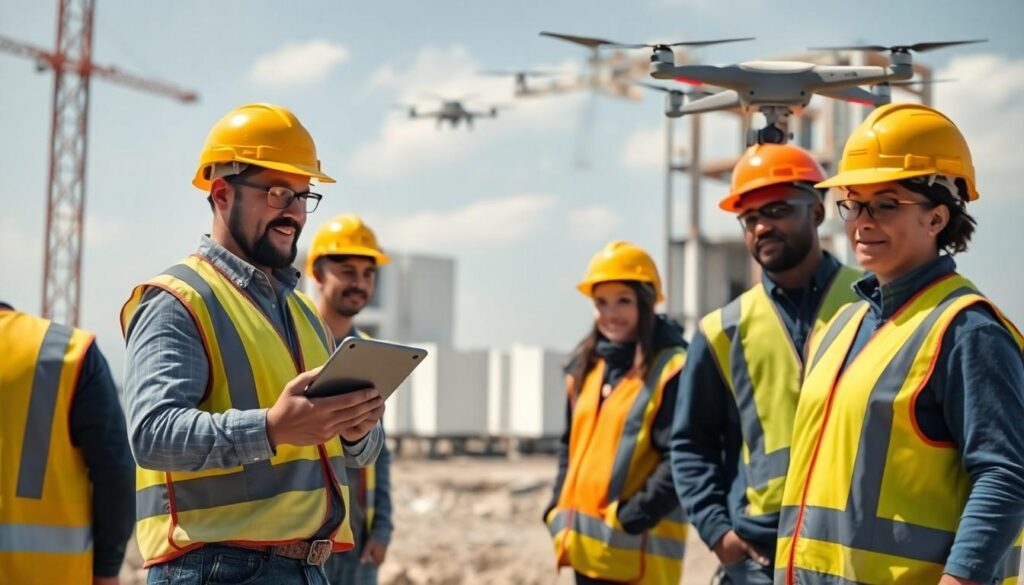
Emerging technologies in construction present opportunities for innovation and efficiency. Each of these key categories plays a significant role in shaping the industry’s future.
Building Information Modeling (BIM)
Building Information Modeling (BIM) transforms project management. It facilitates improved collaboration among stakeholders, including architects, engineers, and contractors. This technology creates detailed 3D models that enhance visualization and accuracy. Fewer mistakes occur as design errors can be identified early. The integration of real-time data allows teams to make informed decisions quickly, minimizing project delays and reducing costs. Increased transparency among team members leads to more streamlined workflows. Overall, BIM represents a shift towards a more efficient construction process.
Prefabrication and Modular Construction
Prefabrication and modular construction revolutionize traditional building methods. Components get manufactured off-site, which cuts down on construction time. This approach results in higher quality control since elements are built in a controlled environment. On-site assembly allows for quick completion, thus minimizing labor costs. Additionally, the reduction of waste during the manufacturing process supports sustainability. Increased flexibility in design accommodates various architectural styles. Ultimately, this technology enhances overall efficiency in construction.
Drones and Aerial Imaging
Drones and aerial imaging play crucial roles in modern construction projects. These devices capture high-resolution images and data from above, making site surveys faster and safer. With aerial imaging, teams can monitor progress, assess site conditions, and identify potential hazards preemptively. Real-time data collection aids in decision-making, ensuring that projects stay on schedule. Drones can access hard-to-reach areas without putting workers at risk. Overall, this technology enhances safety and efficiency on construction sites.
Artificial Intelligence and Machine Learning
Artificial intelligence and machine learning are driving changes in construction management. These technologies analyze large datasets, offering predictive insights that optimize scheduling and resource allocation. Enhanced decision-making occurs as AI tools evaluate past project performance to inform future tasks. Cost overruns decrease when accurate forecasts guide project planning. Additionally, automation of repetitive tasks reduces labor costs and improves productivity. As AI continues to evolve, its impact on the construction industry will grow significantly.
Benefits Of Implementing Emerging Technologies
Emerging technologies offer substantial benefits in construction, enhancing operations and outcomes across multiple facets of projects.
Increased Efficiency and Productivity
Automation increases work efficiency through technologies like drones and 3D printing. Projects benefit from faster completion rates due to real-time data collection and improved workflows. Advanced software tools refine project management, allowing teams to collaborate seamlessly. Consequently, fewer delays occur, and tasks can progress without interruptions. Enhanced visualization through Building Information Modeling (BIM) further facilitates informed decision-making. Workers can focus on high-value tasks, ultimately leading to increased productivity as repetitive manual processes are minimized.
Cost Reduction and Budget Management
Implementing emerging technologies directly impacts budget management by reducing costs. Prefabrication allows for the production of building components off-site, significantly minimizing waste in materials and time. Informed predictions from artificial intelligence lead to smarter resource allocation, matching supply with project needs. Moreover, real-time data analysis reveals potential issues before they escalate, avoiding costly mistakes. Effective tracking and collaboration foster transparency around spending, making it easier to stay within budget limits while achieving quality outcomes.
Improved Safety and Risk Management
Safety improves remarkably with the use of technology in construction sites. Drones identify hazards and monitor site conditions from above, enhancing oversight. Real-time data collection provides insights into the environment, allowing teams to address risks proactively. Regular analysis of performance metrics supports continuous improvement in safety protocols. Training through virtual reality offers immersive experiences, preparing workers for onsite challenges without real-world risks. Together, these measures promote a safer work environment, reducing accidents and enhancing overall project integrity.
Challenges In Adopting Emerging Technologies
Emerging technologies present various challenges for the construction industry. Recognizing these challenges enables stakeholders to address them effectively.
Resistance to Change
Resistance to change is a significant hurdle in adopting emerging technologies. Many construction professionals cling to traditional methods due to comfort and familiarity. Trust in new solutions often lacks, making it difficult for teams to fully embrace innovation. Training plays a crucial role in easing this transition. Concerns about disruptions during implementation further complicate matters. Engaging stakeholders early and highlighting potential benefits can facilitate acceptance and foster collaboration.
High Initial Investment
High initial investment often discourages adoption of new technologies. Expenses related to equipment purchase, software licenses, and training can be daunting for many firms. Budget constraints significantly impact decision-making in construction projects. Small and medium-sized enterprises face greater challenges in allocating funds for new technologies. Long-term savings and efficiency gains may not always offset upfront costs. Clear demonstration of return on investment can help alleviate financial concerns and attract investment in technology.
Future Trends In Emerging Technologies
Emerging technologies are rapidly transforming the construction landscape, fostering innovation and efficiency. This section explores two key trends shaping the industry’s future: sustainability and IoT integration.
Sustainability and Green Building Solutions
Sustainability is becoming a cornerstone in construction practices. Smart materials and innovative solutions support energy efficiency, significantly reducing carbon footprints. Green building certifications like LEED drive the adoption of eco-friendly practices, enhancing long-term value. Use of prefabrication minimizes waste, aligning with environment-conscious goals. Solar panels and energy-efficient systems integrate into designs, providing renewable energy solutions that lower operational costs. Implementing these sustainable strategies not only attracts environmentally conscious clients but also promotes responsible resource management.
Internet of Things (IoT) Integration
IoT integration revolutionizes data management on construction sites. Real-time monitoring devices track equipment and material conditions, enhancing operational efficiency. Sensors provide valuable data for analyzing environmental and structural parameters, leading to improved safety and performance. Automated systems adapt to changes, allowing for proactive decision-making and optimal resource utilization. Connectivity across devices improves collaboration among teams, ensuring timely communication and issue resolution. This integration fosters a seamless flow of information, transforming traditional workflows into responsive construction processes.
Emerging technologies are undeniably reshaping the construction industry. With advancements like drones 3D printing and AI at the forefront construction projects are becoming more efficient and sustainable. These innovations not only streamline processes but also enhance safety and reduce costs. As the industry continues to evolve embracing these technologies will be crucial for staying competitive.
The integration of IoT and smart materials signifies a commitment to sustainability while improving overall project management. Overcoming resistance to change and addressing initial investment concerns will pave the way for a more innovative future. As construction professionals adapt to these advancements they’ll unlock new possibilities for creativity and productivity in their projects. The future of construction is bright and filled with potential for those willing to embrace change.


