

In today’s fast-paced digital world, IT infrastructure is the unsung hero powering innovation. It’s like the invisible glue holding everything together—without it, your favorite apps would crash harder than a toddler in a candy store. As emerging technologies like AI, IoT, and cloud computing continue to evolve, understanding their impact on IT infrastructure becomes crucial.
Overview of IT Infrastructure
IT infrastructure encompasses the foundational components vital for technology operations. This infrastructure supports applications and enhances connectivity in the digital environment.
Definition and Key Components
IT infrastructure includes hardware, software, networks, and data storage systems. Servers, routers, and switches constitute the backbone of this architecture, enabling data flow and communication. Virtualization technologies facilitate resource allocation, while cloud computing offers scalable options for businesses. Storage solutions ensure data integrity and accessibility. Security measures, including firewalls and encryption protocols, protect sensitive information from threats.
Importance in Modern Organizations
Modern organizations rely on robust IT infrastructure to thrive in a competitive landscape. Efficient operations depend on seamless connectivity and rapid data processing. Enhanced collaboration tools foster teamwork and innovation. Organizations benefit from scalable infrastructure that adapts to growth and business needs. The rise of remote work underscores the necessity for reliable systems to support employees anywhere. Investing in IT infrastructure drives productivity and positions businesses for future technological advancements.
Emerging Technologies in IT Infrastructure
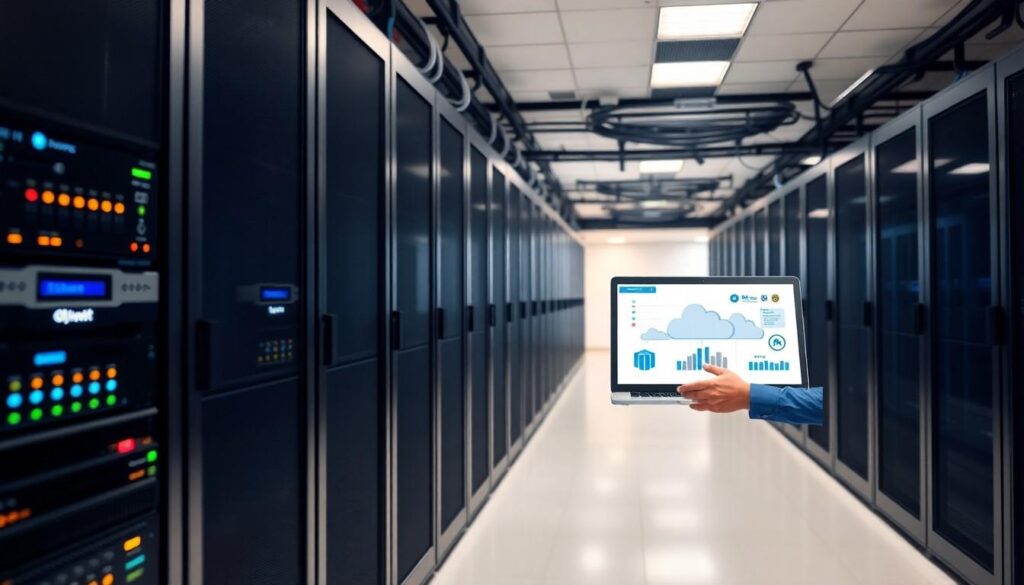
Emerging technologies significantly reshape IT infrastructure, providing innovative solutions to enhance efficiency and scalability. This section explores how these technologies, such as cloud computing, edge computing, and virtualization, impact modern infrastructure.
Cloud Computing
Cloud computing revolutionizes data storage and processing. Organizations use it to access scalable resources over the internet, eliminating the need for extensive on-premises hardware. Service models like Infrastructure as a Service (IaaS) and Software as a Service (SaaS) offer flexibility and cost savings. Businesses can quickly deploy applications and manage workloads, enabling rapid innovation. With cloud computing, data backup and disaster recovery become seamless processes, safeguarding critical information and ensuring business continuity.
Edge Computing
Edge computing addresses latency issues associated with centralized data processing. By processing data closer to the source, organizations can achieve real-time insights and faster decision-making. This technology supports the growing number of Internet of Things (IoT) devices, which generate vast amounts of data. Lower bandwidth usage and reduced latency enhance the performance of applications that rely on immediate data processing. Companies that leverage edge computing can optimize operations, improve user experience, and drive efficiency.
Virtualization
Virtualization streamlines IT operations by allowing multiple virtual machines to run on a single physical server. This technology improves resource utilization and decreases operational costs. Organizations benefit from simplified management of IT resources, as virtualization makes deploying and scaling applications straightforward. It also enhances disaster recovery solutions, enabling businesses to restore critical systems rapidly. As IT environments become increasingly complex, virtualization offers the agility required to adapt to changing demands while ensuring robust performance.
Integration of Infrastructure and Emerging Technologies
Integrating IT infrastructure with emerging technologies unlocks new potential for businesses. Enhanced efficiency and scalability become achievable goals.
Benefits and Challenges
Organizations face notable benefits and challenges while integrating new technologies. Increased flexibility arises from cloud computing, as resources scale on demand. Cost savings emerge through models like IaaS and SaaS, allowing organizations to pay only for what they use. However, security concerns often surface, requiring robust measures to protect sensitive data. Additionally, legacy systems may struggle with compatibility, presenting integration hurdles. Organizations must balance these pros and cons for successful implementation.
Best Practices for Implementation
Adopting best practices can streamline the integration process. First, thorough assessments of current infrastructures identify areas for improvement. Second, organizations should develop a clear strategy aligned with business goals, facilitating smooth transitions. Regular training programs enhance employee competencies, ensuring teams leverage new technologies effectively. Collaboration with technology partners provides access to the latest tools and support. Continuous monitoring of systems helps address issues proactively, maintaining optimal performance. Following these practices fosters successful integration and positions organizations for future growth.
Future Trends in IT Infrastructure
Emerging technologies continue to influence the evolution of IT infrastructure. Several trends are shaping how organizations operate and innovate.
Artificial Intelligence and Automation
Artificial intelligence (AI) plays a crucial role in transforming IT infrastructure. It enhances data analysis by automating routine tasks, leading to increased productivity. Organizations rely on AI-driven tools to improve decision-making processes. Predictive analytics allows businesses to anticipate needs and respond proactively. Automation streamlines IT operations by minimizing human errors, which results in improved efficiency. Additionally, machine learning algorithms adapt to system performance, providing insights that optimize resource allocation.
Internet of Things (IoT)
The Internet of Things (IoT) has significant implications for IT infrastructure. Devices connected to the internet generate vast amounts of data that organizations must manage effectively. Real-time data processing capabilities are essential for leveraging insights from IoT technologies. Organizations must invest in edge computing to reduce latency and enhance responsiveness. Security becomes a priority as the network expands, necessitating robust cybersecurity measures. Managing diverse IoT devices requires adaptable infrastructure to support various protocols and data formats. Thus, a flexible approach enables organizations to harness the full potential of IoT innovations.
The integration of IT infrastructure with emerging technologies is reshaping the business landscape. Organizations that embrace these advancements can unlock significant efficiencies and scalability. Adapting to innovations like cloud computing and edge computing not only enhances operational capabilities but also positions businesses to thrive in a competitive environment.
As companies navigate the complexities of modern IT infrastructure, a proactive approach is essential. Continuous assessment and strategic alignment with business goals are crucial for maximizing the benefits of these technologies. Investing in robust IT systems is not just an option; it’s a necessity for future growth and success.


