

In a universe filled with endless possibilities, space technology advancements are pushing the boundaries of what humans can achieve. From satellites that help navigate our morning commute to rovers exploring distant planets, these innovations are not just science fiction—they’re our new reality. Imagine sending a selfie from Mars or streaming your favorite show while orbiting Earth. Sounds like a sci-fi dream, right? Well, it’s happening now!
Overview of Space Technology Advancements
Recent advancements in space technology significantly enhance human potential. Innovations in satellite technology allow for more accurate weather forecasting and global communication. Next, developments in reusable rocket systems reduce the costs associated with launching payloads into orbit. Consequently, companies like SpaceX and Blue Origin lead the way in reducing launch expenses and increasing access to space.
Another remarkable progress comes from autonomous rovers. These unmanned vehicles explore distant planets and gather data, pushing the boundaries of human exploration. Mars rovers like Perseverance and Curiosity have provided insights into the planet’s geology and potential for past life.
Artificial intelligence plays a vital role in processing massive amounts of data collected from space missions. AI algorithms analyze satellite images to track climate change effects and monitor natural disasters. Enhanced imaging technology improves the resolution of these images, enabling scientists to study celestial phenomena in unprecedented detail.
Collaboration among international space agencies has fostered knowledge sharing and resource pooling. Missions such as the International Space Station exemplify how cooperation can lead to scientific breakthroughs in microgravity research. Furthermore, private sector involvement accelerates innovation and fosters competition, driving technological advancements at a rapid pace.
Quantum technology emerges as a promising area in space exploration. Quantum sensors improve navigation accuracy, while quantum communication offers secure data transmission. These advancements could revolutionize how information is shared across vast distances in space.
The ongoing evolution of space technology continuously transforms capabilities. Enhanced satellite systems, advanced robotics, AI integration, international collaboration, and innovations in quantum fields shape the future of space exploration and benefit life on Earth.
Key Innovations in Space Technology
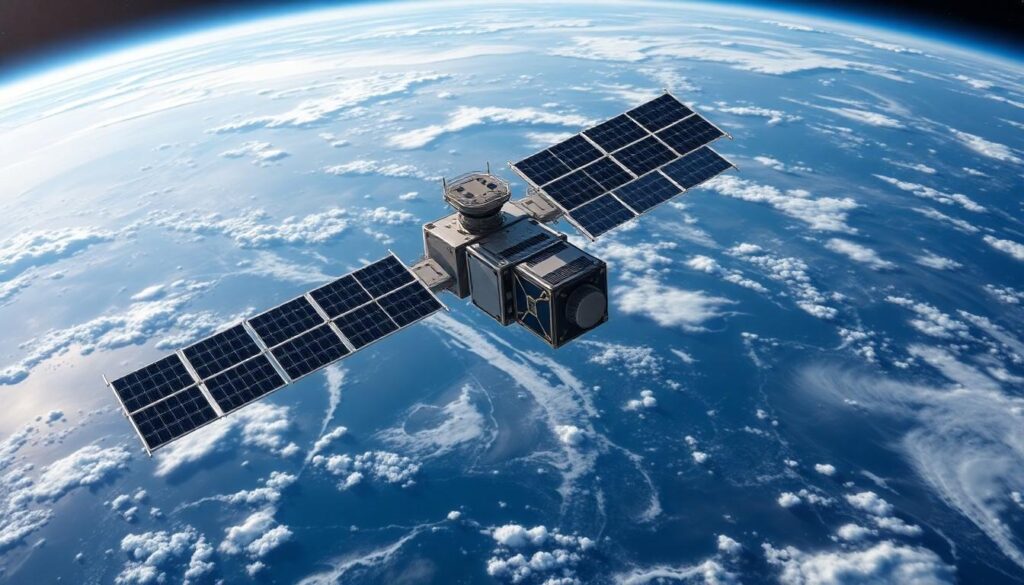
Innovations in space technology play a crucial role in advancing exploration and enhancing Earth-based applications. Several key areas of development have emerged, each contributing significantly to the progress of space endeavors.
Satellite Technology
Satellite technology has transformed global communication and data gathering. Modern satellites enable real-time weather forecasting, precise navigation, and Earth observation. Enhanced imaging capabilities allow for detailed monitoring of natural disasters, providing critical information for timely responses. Companies like Planet Labs utilize fleets of small satellites to capture images of the entire planet regularly. Innovations in satellite design, such as miniaturization, enhance deployment efficiency and reduce costs, making space more accessible for businesses and governments alike.
Launch Systems
Recent advancements in launch systems significantly reduce the cost of sending payloads to space. Reusable rocket technology, pioneered by companies like SpaceX, enables multiple missions with the same hardware. These systems demonstrate improved reliability and efficiency through rapid turnaround times. Innovations in propulsion technologies, such as the development of reusable engines, further enhance launch capabilities. Furthermore, small satellite launch services cater to specific needs, allowing rapid deployment for innovative projects. Overall, these advances pave the way for increased participation in space endeavors.
Space Robotics
Space robotics has advanced exploration capabilities beyond human reach. Autonomous rovers like Mars Perseverance and Curiosity collect data and conduct experiments on distant planets. Robotic arms on the International Space Station perform critical maintenance and assembly tasks, enhancing research productivity. Innovations in artificial intelligence empower these robots to adapt to challenging environments, improving decision-making during missions. Collaborative systems between rovers and orbiters streamline data transmission, enhancing our understanding of celestial bodies. Continued development in this field optimizes efforts for future exploration missions across the solar system.
Impact on Exploration and Research
Recent advancements in space technology significantly affect exploration and research, enhancing our understanding of the universe.
Mars Exploration
Rovers such as Perseverance and Curiosity explore Mars, collecting invaluable data on the planet’s geology and climate. These autonomous robots utilize advanced sensors and AI algorithms for real-time analysis and decision-making. Data gathered supports the search for past life, contributing insights into Mars’s potential for human colonization. Modern communication systems allow seamless transmission of findings back to Earth, fostering collaboration among researchers. NASA’s continued investment and support in innovative technologies lead to improved mission outcomes and operational efficiencies.
Lunar Missions
Innovations in satellite technology play a pivotal role in lunar missions. The Artemis program aims to establish a sustainable human presence on the Moon, leveraging advancements in propulsion systems and landing techniques. Robots deploy on the lunar surface assist in resource identification, enabling long-term habitation plans. Enhanced communication networks ensure reliable information exchange between Earth and lunar bases, fostering efficient collaboration among international space agencies. Lunar exploration initiatives also involve partnerships with private companies, accelerating advancements and reducing costs, thereby enhancing human understanding of our closest celestial neighbor.
Commercial Space Ventures
Commercial space ventures are transforming the landscape of space exploration and capabilities. Innovative companies are pushing the boundaries of technology and redefining access to space.
Private Space Companies
Private space companies play a pivotal role in advancing space capabilities. Companies like SpaceX and Blue Origin lead the charge with innovative reusable rocket systems. Those systems significantly reduce launch costs, making space missions more accessible. Besides launching satellites, these companies are developing next-gen technologies for lunar and Mars exploration. They seek to establish a sustainable human presence beyond Earth. Collaboration among these enterprises fosters a dynamic environment for rapid advancements and increases competition in the commercial space sector.
Space Tourism
Space tourism is gaining traction, offering civilians a chance to experience space travel. Companies such as Virgin Galactic and Blue Origin focus on suborbital flights for adventure-seekers. Passengers enjoy short journeys that provide breathtaking views of Earth from above. Such experiences become increasingly prominent, with ticket sales making space accessible to more individuals. Expectations for future developments include orbital hotels and longer stays in low Earth orbit. The growth of space tourism promises to inspire interest in space and exploration among the general public.
Future Trends in Space Technology
Innovations in space technology continue to shape the landscape of exploration and research. As advancements proliferate, they offer exciting insights into the future of space endeavors.
Artificial Intelligence in Space
Artificial intelligence (AI) now plays a pivotal role in optimizing data processing from space missions. It enhances decision-making for autonomous rovers like Perseverance and Curiosity in real-time. AI improves climate change tracking, analyzing vast datasets efficiently for meaningful insights. Research teams benefit from AI-driven algorithms that enable quicker interpretation of geological samples from Mars. Space missions utilize AI for predictive analysis, enhancing reliability in communication systems and mission planning. Additionally, AI contributes to identifying anomalies in existing data, streamlining processes for scientists on Earth.
Sustainable Space Practices
Sustainable practices in space endeavors are becoming more critical. The growing focus on reducing space debris has prompted initiatives for responsible satellite design and end-of-life plans. Innovations focusing on renewable energy sources for spacecraft are gaining traction, minimizing reliance on traditional fuels. Programs prioritize recycling materials used in space missions, promoting sustainability in space exploration. Efforts to ensure long-term habitation on the Moon include identifying local resources, essential for reducing transport costs from Earth. Global cooperation aims to establish standards for sustainable operations in collaboration with international space agencies and private enterprises.
The advancements in space technology are reshaping humanity’s relationship with the cosmos. As innovations continue to emerge, they not only enhance exploration but also improve life on Earth. The collaboration between private companies and international agencies is paving the way for a new era of space travel and research.
With the integration of artificial intelligence and sustainable practices, the future looks promising. This evolution will likely inspire a new generation of explorers and innovators. As humanity reaches for the stars, the benefits of these technological strides will resonate far beyond the boundaries of space.


