

In a universe filled with endless possibilities, space technology news is the rocket fuel igniting our imagination. From groundbreaking satellite launches to interplanetary rovers that might just find a Martian coffee shop, the advancements in this field are nothing short of thrilling. It’s like watching a sci-fi movie unfold in real life, except this time, the aliens aren’t just CGI.
As humanity reaches for the stars, staying updated on the latest developments is crucial. Whether it’s the latest in reusable rockets or the quest for extraterrestrial life, space tech is changing the game. So buckle up and prepare for liftoff as we explore the cosmic headlines that are shaping our future—because who wouldn’t want to be in the know about what’s happening beyond our blue planet?
Latest Developments in Space Technology News
Recent satellite launches continue to shape our understanding of Earth and beyond. Companies like SpaceX and Blue Origin successfully deploy advanced satellites, enhancing global communication and data collection. NASA’s Artemis program aims to return humans to the Moon by 2024, paving the way for future Mars missions.
Innovations in propulsion technology emerge regularly, with ion propulsion systems improving spacecraft efficiency. These advancements allow for longer missions and deeper space exploration. The European Space Agency’s Hera mission, set to launch in 2024, will explore asteroid Dimorphos and assess planetary defense strategies.
Artificial intelligence integrates into space exploration, facilitating data analysis and decision-making. AI algorithms optimize navigation systems on spacecraft, improving mission success rates. Robotics play a crucial role as autonomous systems conduct repairs and maintenance in space, reducing the need for human intervention.
Collaboration between international space agencies increases, enhancing the exchange of knowledge and resources. The International Space Station serves as a hub for scientific research and innovation, involving contributions from NASA, Roscosmos, ESA, JAXA, and CSA.
Investigations into extraterrestrial life remain a top priority. The James Webb Space Telescope, launched in December 2021, captures detailed images of distant galaxies and potential exoplanets. These findings drive ongoing research on the conditions necessary for life beyond Earth.
With these developments, staying informed on space technology through reliable sources is essential. Engaging with the latest updates empowers individuals to appreciate the transformative nature of these advancements. Following trusted news outlets will ensure access to accurate and timely information on space technology.
Innovations in Space Exploration
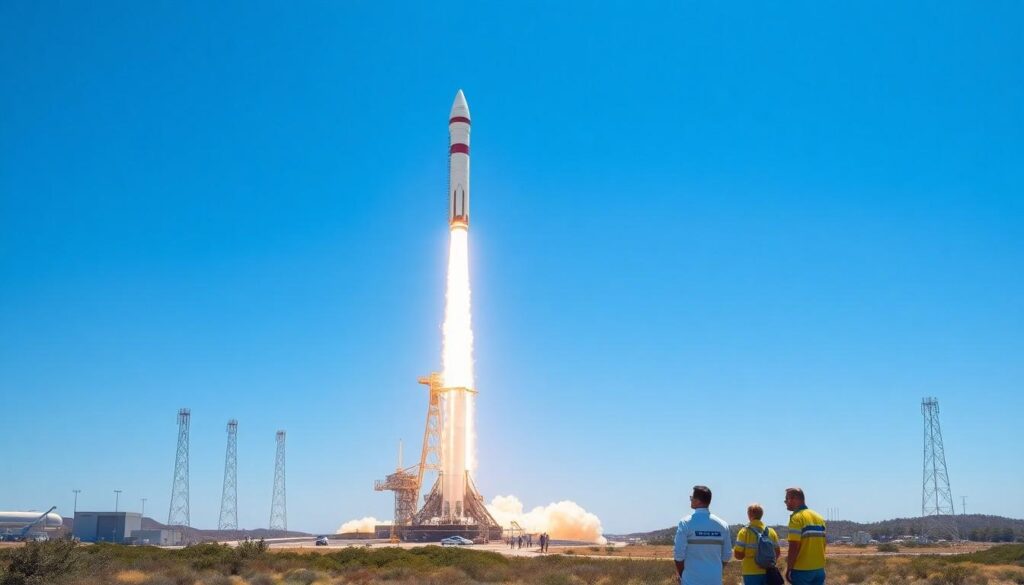
Recent advancements in space exploration highlight the rapid pace of technological innovation. New developments shape the future of our understanding of the cosmos.
New Rocket Technologies
Advancements in rocket technology lead to improved efficiency and reduce expenses. SpaceX’s Starship employs a fully reusable design, significantly cutting launch costs. Blue Origin’s New Shepard focuses on suborbital tourism, enabling public access to space experiences. NASA’s Space Launch System aims to enhance heavy-lift capabilities for deep space exploration, setting a new standard for future missions. Additionally, reusable engines streamline production and maintenance, promoting sustainability in the aerospace sector.
Advances in Satellite Design
Modern satellite design incorporates advanced materials and innovative engineering techniques. Lightweight composite materials enhance durability while decreasing launch weight. Small satellites, or CubeSats, revolutionize missions by reducing costs and enabling rapid deployment. The deployment of mega-constellations, like SpaceX’s Starlink, aims to provide global internet coverage, expanding access to remote areas. Innovations in propulsion systems also extend satellite lifespans, allowing for more extended data collection and improved functionality. These advancements contribute to enhanced surveillance, communication, and scientific research capabilities.
Impact of Space Technology on Earth
Space technology greatly influences life on Earth, driving advancements in various fields. Innovations from space exploration enhance daily activities and address pressing global challenges.
Communication Enhancements
Satellite networks revolutionize global communication. Companies like SpaceX and OneWeb deploy thousands of satellites, facilitating high-speed internet access worldwide. These initiatives bridge digital divides, enabling remote areas to connect with urban centers. Improved satellite technology also supports emergency communications during disasters, ensuring timely information dissemination. As a result, accessibility to information grows, transforming business operations and personal communication.
Earth Monitoring and Climate Change
Satellite observations provide critical data for environmental monitoring. Technologies like NASA’s Landsat program track land use changes, deforestation, and urban expansion. These insights inform policymakers on climate change impacts, guiding sustainability initiatives. Additionally, satellites contribute to weather forecasting and disaster response, allowing communities to prepare for natural events. By analyzing greenhouse gas emissions from space, scientists develop strategies to mitigate climate change effects, significantly influencing global environmental efforts.
Collaboration Between Nations in Space
International cooperation plays a critical role in advancing space technology and exploration. Recent developments highlight how nations are working together to maximize their capabilities.
International Space Station Updates
The International Space Station (ISS) remains a symbol of international collaboration. Scientists from NASA, Roscosmos, the European Space Agency, and others engage in groundbreaking research aboard the ISS. Experiments focus on microgravity’s effects on human health and various phenomena. The space station often hosts educational initiatives, allowing students worldwide to participate in live experiments. Upcoming missions aim to expand research on sustainable living in space, supporting future deep space missions.
Global Partnerships in Space Research
Global partnerships enhance scientific understanding and capabilities in space exploration. Collaborative projects, such as the Lunar Gateway, involve multiple nations, including Canada, Japan, and the United States. These alliances address challenges like technology development and resource management. Research programs focused on planetary defense also foster shared expertise. Countries are pooling resources to tackle complex issues, illustrating how teamwork can propel advancements in space technology and exploration.
The Future of Space Technology
Exciting developments in space technology are on the horizon. These advancements promise to reshape exploration and enhance daily life on Earth.
Upcoming Missions and Projects
NASA’s Artemis program targets a return to the Moon by 2024, laying the groundwork for sustainable lunar presence and future Mars missions. ESA’s Hera mission, set for launch in 2024, will investigate the asteroid Dimorphos to improve planetary defense strategies. NASA’s Space Launch System enhances heavy-lift capabilities for deep space missions, while SpaceX plans further developments with its Starship and Falcon rockets for increased access to space. International collaboration is crucial, enhancing the effectiveness of upcoming projects and fueling innovations that push the boundaries of human exploration.
Emerging Trends to Watch
Artificial intelligence integration in navigation and data analysis optimizes spacecraft operations. Innovations in rocket technology, particularly reusable designs, significantly lower launch costs. Moreover, advancements in satellite design lead to the proliferation of CubeSats and mega-constellations, such as SpaceX’s Starlink, which aims for global internet coverage. Strides in robotics enable autonomous repairs in space, further enhancing mission safety. Furthermore, global partnerships, such as the Lunar Gateway project, reflect a collaborative spirit that fuels research and addresses challenges in resource management and technology development.
The landscape of space technology is evolving rapidly and it’s clear that these advancements hold tremendous potential for both exploration and life on Earth. As international collaboration continues to flourish innovations in satellite technology AI and propulsion systems are paving the way for deeper space missions and enhanced communication capabilities.
Keeping abreast of these developments not only fuels curiosity but also highlights the vital role space technology plays in addressing global challenges. The future promises exciting discoveries and transformative solutions that could reshape our understanding of the universe and improve life on our planet. Engaging with the latest news ensures everyone stays connected to this thrilling journey into the cosmos.


